GST 2.0 and Rural Recovery Boost Demand in Third Quarter
Automobile industry records 20% volume growth in October–December quarter, driven by reforms, festive season, and improved affordability

New Delhi: India’s automobile industry registered a 20 percent growth in volumes during the October–December quarter, supported by GST reforms, recovery in rural demand, and the festive season, according to a report released on Friday.
In its report, financial services firm PL Capital said that improved affordability, easier financing, and better consumer sentiment led to higher demand across passenger vehicles, two-wheelers, and commercial vehicles.
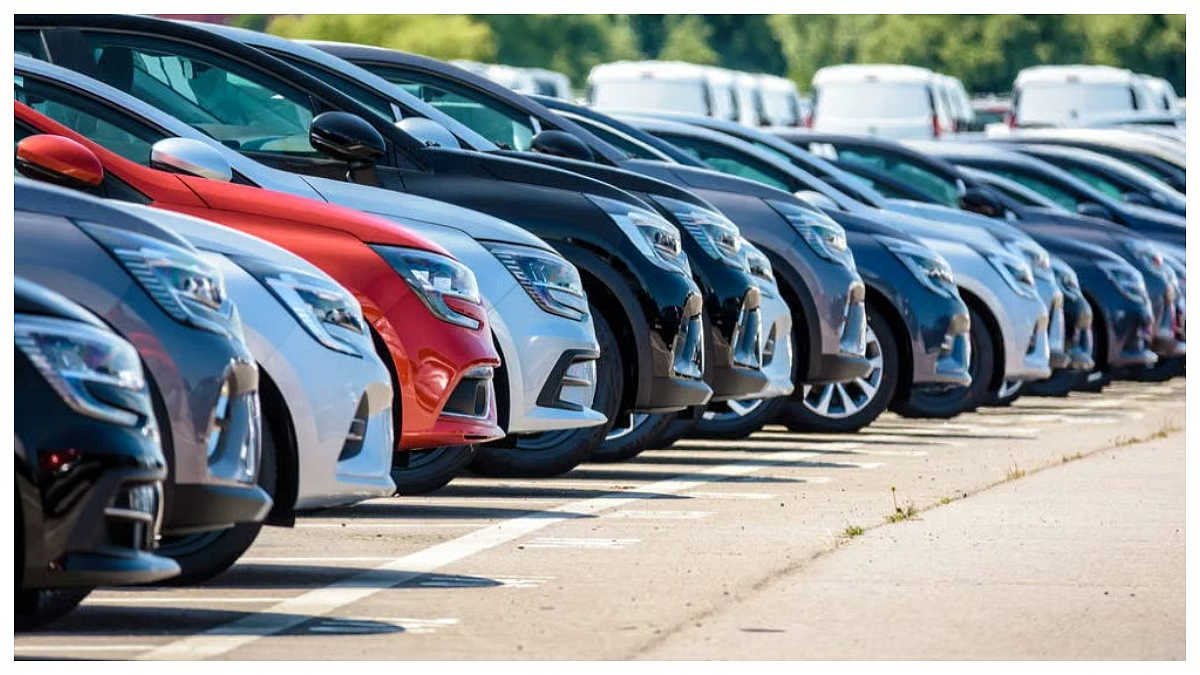
Strong sales momentum in the third quarter resulted in a sharp decline in passenger vehicle inventory levels, which fell to 45 days in November and further to 38 days in December, compared to 55 days earlier. The report noted that small cars benefited the most from GST rate cuts, although SUV sales remained consistently strong.
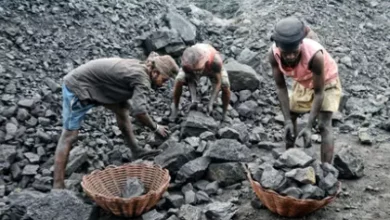
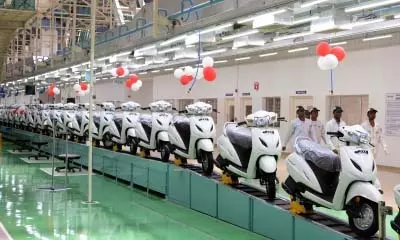
Two-wheeler sales also saw a significant uptick, with robust demand in the 150cc and above segments leading to extended waiting periods for select models. According to the report, the third quarter of FY2026 showed early signs of recovery in the commercial vehicle segment, aided by increased construction and mining activity following an extended monsoon season.
Medium and heavy commercial vehicles outperformed light commercial vehicles, driven by rising replacement demand and a growing preference for higher-capacity vehicles among customers.
The report further highlighted that improved affordability following the rationalisation of GST rates encouraged fleet operators to advance purchase decisions. Sales of construction equipment improved, although growth remained moderate due to a high base created by purchases made ahead of last year’s emission norm changes. Tractor sales continued to grow steadily, supported by government subsidies and favourable policy measures.
“On the rural front, a strong kharif harvest and improved rabi sowing strengthened farmers’ incomes and cash flows, leading to higher demand for entry-level vehicles and tractors,” the report said.