India-Pakistan war was used by China to test its weapons, says report

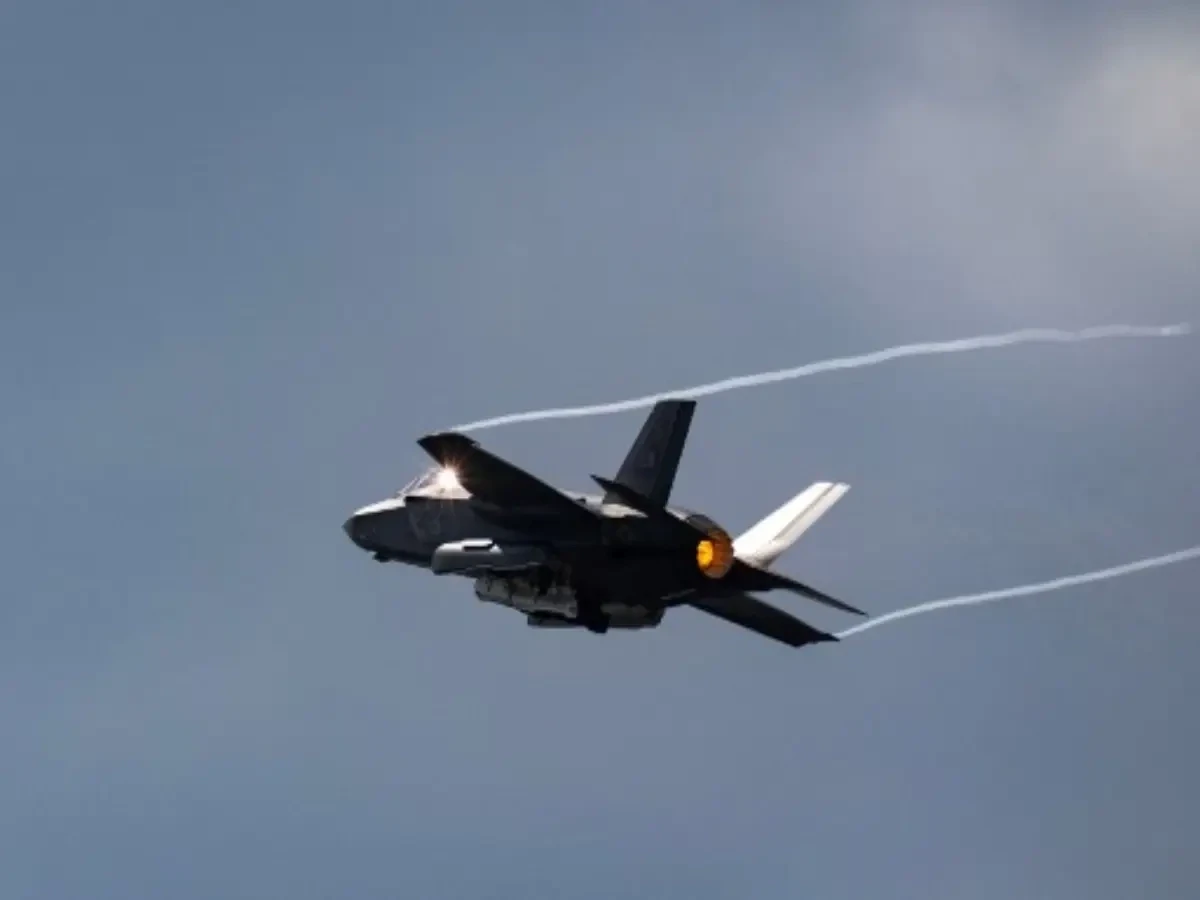
India-Pakistan war: China allegedly used the India-Pakistan conflict in May post the Pahalgam terror attack to test its defence capabilities, revealed a bipartisan US commission in its annual report.
Beijing wanted to “test and promote” its defence power “in the contexts of its ongoing border tensions with India and its expanding defence industry goals”.
The report by the US-China Economic and Security Review Commission, published on Tuesday further said that it was for the first time that China’s modern and indigenously built weapons systems, like the HQ-9 air defence system, PL-15 air-to-air missiles, and J-10 fighter aircraft were used in real war conditions.
Post this, China offered to sell ballistic missile defence systems, 40 J-35 fifth-generation fighter jets and KJ-500 aircraft to Pakistan in June, according to the report.
The report that is based on committee hearings and research of publicly available information like media reports, said that Chinese embassies were all praise for their defence systems used in the clash between India and Pakistan. They urged their government to push for the sales of these weapons.
China ran “disinformation campaign”
However, the report said that the May conflict seen as a “proxy war” and China acting as an instigator would be an overstatement.
In fact China ran a “disinformation campaign” to prove the inefficacy of the French Rafale fighter jets that were used by India against Pakistan and the terror hideouts in the country.
“According to French intelligence, China initiated a disinformation campaign to hinder sales of French Rafales in favour of its own J-35s, and it used fake social media accounts to propagate AI and video game images of supposed “debris” from the planes China’s weaponry destroyed,” the report said.
They were successful in doing that to some extent as Chinese embassy convinced Indonesia to drop their plan to purchase the French Rafale fighter jets and opt for J-35s, said the report. However, China later rejected such claims as false.