India welcomes Gaza peace plan, hopes first phase leads to lasting peace: MEA

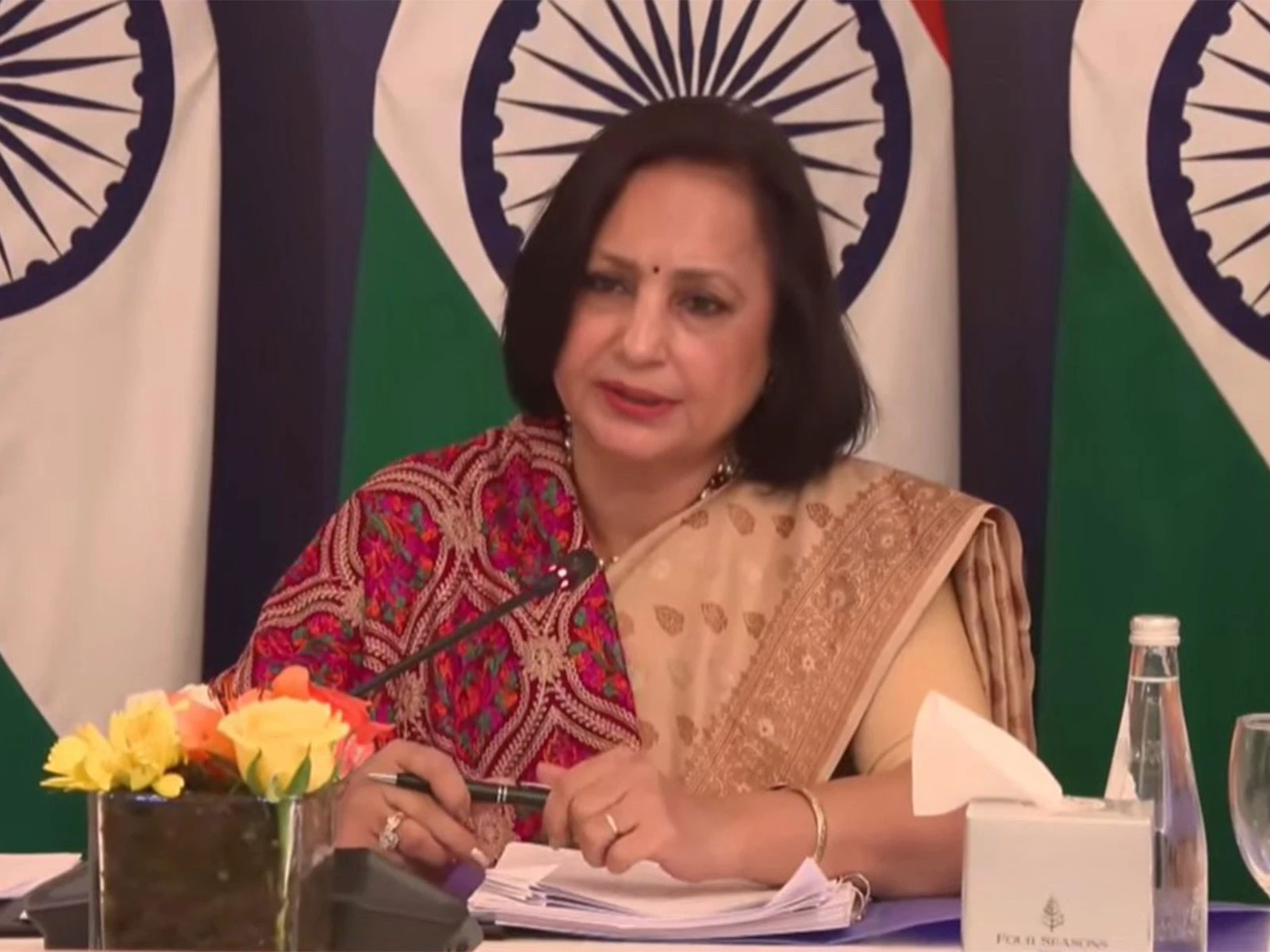
New Delhi [India], December 16 : India has reiterated its support for peace and stability in West Asia, welcoming the adoption of the Gaza Peace Plan during Prime Minister Narendra Modi’s delegation-level talks with Jordan’s King Abdullah II bin Al Hussein, the Ministry of External Affairs said while addressing the special briefing on Prime Minister Narendra Modi’s visit to Jordan.
Responding to a question on discussions related to Gaza and regional matters, MEA Secretary (South) Neena Malhotra said that “on regional issues, the leaders reiterated the importance of peace and stability in the region,” and that “in this regard, they welcomed the adoption of the Gaza Peace Plan.”
She said Prime Minister Narendra Modi reiterated India’s long-standing position on Palestine during the discussions.
Clarifying India’s stand, Malhotra said, “Regarding Gaza, you know our position. We have welcomed the Gaza peace plan, and we are happy that the first phase is enforced, and we hope that it brings lasting peace to the region.”
She added that India’s approach has remained consistent over the years, stating, “We have a longstanding position as we support the Palestine issue, and we support efforts towards just and durable peace.”
Emphasising India’s support for initiatives aimed at reducing conflict, Malhotra said, “Anything that builds or contributes towards building just and durable peace in the region, we support those efforts.”
Both countries have discussed the possibility of cooperation in civil nuclear energy, with both sides viewing nuclear power as a clean and viable energy option in the context of climate change, the MEA said.
Responding to a question on civil nuclear cooperation, the MEA Secretary said that the discussions focused on the broader potential of nuclear energy. “Nuclear cooperation. In fact, civil nuclear energy is supposed to be nowadays a very, very clean energy and there were general discussions with the Jordanian side on the possibility of use of nuclear energy as a clean form of energy,” she said. Malhotra clarified that “there were no specific as of now,” but noted that both sides share the view “that this is a form of energy which can be a very clean form of energy, especially now when we are talking about climate change etc.”
Beyond nuclear energy, Malhotra said the visit resulted in the finalisation of several agreements aimed at expanding cooperation across multiple sectors. “During the visit, several MoUs and agreements have been finalised between the two sides in the fields of energy, digital technology, water management, culture and people-to-people connect,” she said.
She highlighted that “the MoU and technical cooperation in the field of new and renewable energy will allow both sides to collaborate in the areas of green hydrogen, grid integration and capacity building.” She also said that “the MoU on cooperation in the field of water management development was also finalised.”
Pointing to Jordan’s resource constraints, Malhotra noted that “Jordan, being a water-scarce country, cooperation in this area becomes very important.” She added that “the area of cooperation under this MoU includes water-saving, agricultural technologies, capacity building, climate adaptation and planning, flood management and rainwater harvesting.”