Jaishankar Reaffirms India’s Strategic Autonomy Amid Questions Over Russian Energy Imports
EAM Says Energy Decisions Will Be Based on Availability, Cost and Risk

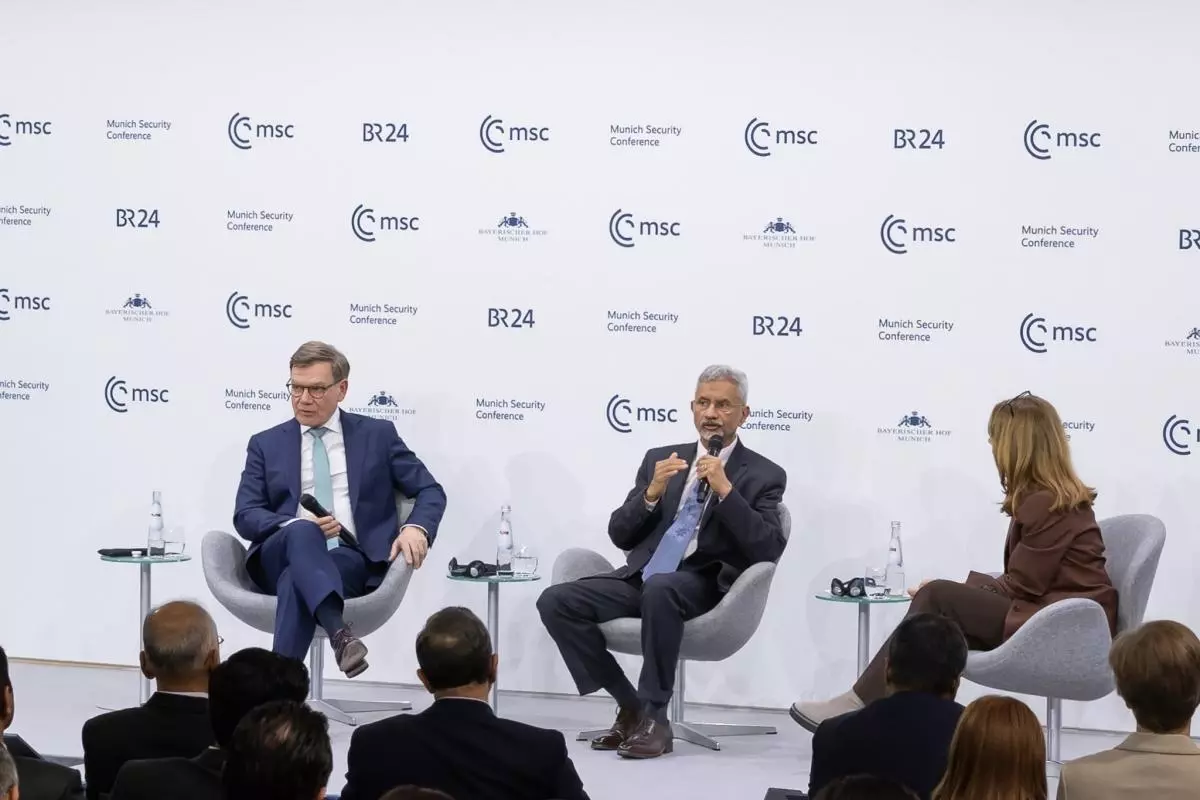
Munich: Amid repeated claims from Washington regarding India’s purchase of Russian oil, External Affairs Minister S. Jaishankar has firmly reiterated New Delhi’s commitment to “strategic autonomy,” making it clear that India’s energy decisions will be guided by availability, cost, and risk considerations.
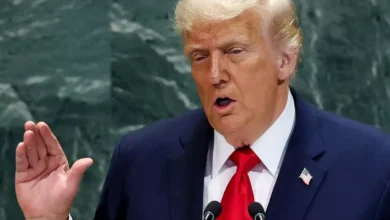
His remarks came against the backdrop of fresh US sanctions targeting Russia’s oil sector and statements by US President Donald Trump and US Secretary of State Marco Rubio suggesting that India had agreed to curb additional imports of Russian crude oil.
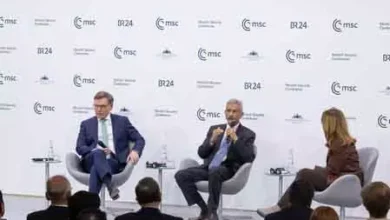
Addressing the Munich Security Conference on Saturday (local time), Jaishankar dismissed suggestions that the recent India–US trade understanding would dilute India’s long-standing commitment to independent decision-making in foreign policy.
His comments followed Rubio’s statement that after a new round of US bans on Moscow’s energy exports, Washington had received assurances from New Delhi that it would refrain from further Russian oil purchases.
According to Russian news agency TASS, Rubio said during the conference, “The United States has imposed additional sanctions on Russian oil. In our discussions with India, we received a commitment that they would stop buying more Russian oil. Europe has taken steps to move forward.”
Earlier this month, President Trump had also claimed a breakthrough after months of trade tensions, stating, “India has agreed to stop buying Russian oil and to buy more from the United States.”
However, Jaishankar made it clear that India’s foreign policy remains rooted in its independent decision-making framework. “We are deeply committed to strategic autonomy because it is an important part of our history and development. It runs deep and goes beyond the political spectrum,” he said.
Specifically addressing energy procurement, the External Affairs Minister described the global oil market as “complex.”
“When it comes to energy matters, today it is a complex market. Oil companies in India — as in Europe and perhaps elsewhere in the world — look at availability, cost, and risk, and they make decisions that they believe are in their best interest,” he explained.
When directly asked whether India would halt Russian oil purchases under any trade arrangement, Jaishankar responded candidly: “If the essence of your question is whether I will continue to think independently and take my own decisions — and whether I might choose options that do not align with your thinking — yes, that is possible.”
So far, India has neither officially confirmed nor denied Washington’s claim that it has pledged to stop additional imports of Russian crude oil.