How to Increase Vitamin C in Your Body Naturally

Lifestyle Tips:
Vitamin C, also known as ascorbic acid, is an essential nutrient that plays a vital role in maintaining our health. It helps boost the immune system, aids in iron absorption from food, keeps the skin healthy, and supports bone health. However, the human body cannot produce vitamin C on its own, nor can it store it. Therefore, it must be obtained daily through diet. According to the National Institutes of Health (NIH), adult women need about 75 mg and adult men about 90 mg of vitamin C per day. This requirement can be met naturally through fresh fruits and vegetables or fortified foods.
Fruits Rich in Vitamin C:
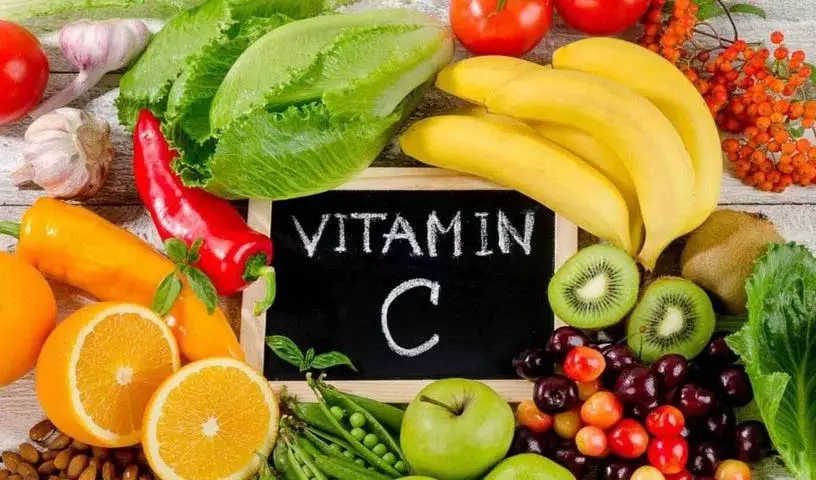
Daily consumption of vitamin C-rich fruits is essential. Oranges, lemons, amla (Indian gooseberry), guava, mango, and kiwi are excellent sources. For instance:
-
One orange contains approximately 70 mg of vitamin C, fulfilling daily requirements.
-
One kiwi provides around 65 mg.
-
One cup of strawberries contains 59 mg.
-
Guava, which is easily available and affordable, can provide double the daily requirement of vitamin C.
Other fruits like pineapple, mango, and papaya also supply sufficient vitamin C to meet daily needs. Including these fruits in your daily diet helps prevent vitamin C deficiency.
Vegetables Rich in Vitamin C:
Vegetables are another important source. Studies show that bell peppers are especially rich in vitamin C:
-
100 g of green bell pepper: 16.5 mg
-
100 g of yellow bell pepper: 159.6 mg
-
100 g of red bell pepper: 81.2 mg
Additionally:
-
100 g of broccoli: 65 mg
-
100 g of spinach: 28.1 mg
-
Tomatoes provide about 28% of the daily vitamin C requirement per serving
Some foods are fortified with vitamin C to enhance their nutritional value. Eating whole grains daily can also provide small amounts of this essential nutrient.
Cooking Tips to Preserve Vitamin C:
Vitamin C is water-soluble and sensitive to heat, so cooking methods matter. Whenever possible, consume fruits and vegetables raw. If cooking is necessary, steaming is better than boiling to prevent nutrient loss.
For optimal iron absorption from food, combine vitamin C-rich items with iron-containing foods like spinach, legumes, and other vegetables. Adding lemon juice to salads and soups or drinking orange juice with meals can help meet daily vitamin C needs.
By following these simple dietary and lifestyle practices, individuals can ensure they get sufficient vitamin C every day, helping prevent deficiencies and supporting overall health.