Iran Leader’s Representative in India Criticizes “Unjust” Attacks, Vows to Defend Iran

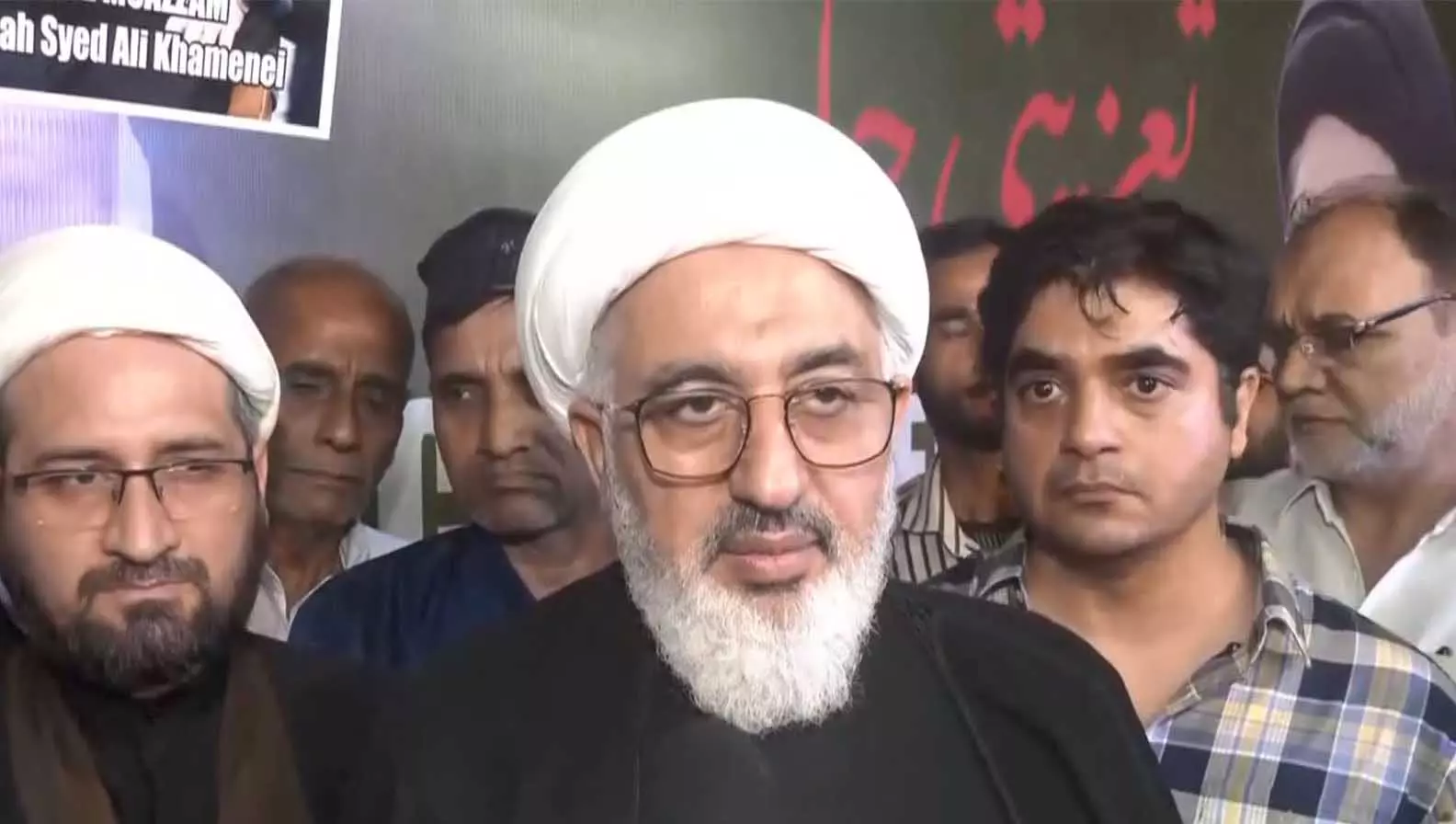
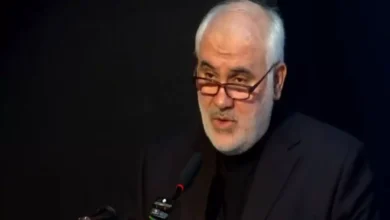
New Delhi: Abdul Majid Hakim Elahi, the representative in India of Ayatollah Ali Hosseini Khamenei, Iran’s Supreme Leader, said that despite attacks by the United States and the “Zionist regime,” Iran remains determined to defend its independence and dignity.
Speaking about rising regional tensions, Elahi said Tehran had been forced to adopt a defensive posture against what he described as an “unjust” attack.
“No one wanted this situation or these circumstances, but we were forced into it. Our situation is not good. The United States and the Zionist regime attacked us wrongly, and we must defend ourselves. We are ready to sacrifice for our land, our dignity, our morality, and our freedom,” he said in an interview with ANI.
Elahi also spoke about the future of the region, saying the current crisis has made Iran’s neighbors realize that external powers cannot provide permanent security guarantees.
“I am confident that Iran’s future will be better, and our neighbors have realized that no one can guarantee their security. They can solve their own problems and issues themselves, without depending on foreign forces for protection,” he said.
He further commented on the declining impact of foreign military presence in the region, suggesting that regional countries are becoming more independent.
“They have understood that even the United States, despite building many bases in their countries and taking billions of dollars from our neighbors, cannot guarantee their security or do much for them. We have received the message that they want to be more independent than before,” he added.
Addressing concerns about how ongoing disputes over oil imports and exports between Iran and India could affect bilateral trade, Elahi emphasized that the friendship between the two nations is rooted in a long shared history that predates current geopolitical tensions.
“The relationship and friendship between Iran and India go far beyond the present time. Our ties began nearly 3,000 years ago, with strong connections in culture, civilization, philosophy, and spiritual traditions between our peoples,” he said.
Despite disruptions caused by recent clashes and attacks, Elahi expressed confidence that the civilizational relationship between New Delhi and Tehran would ensure continued partnership once the current situation stabilizes.
“This relationship will continue. We are currently in special circumstances, but I am confident that this period will end. Countries will come together again and continue their relations and move forward successfully,” he said.
His remarks come amid heightened instability in the region, where direct military confrontations and attacks on strategic assets have disrupted traditional trade routes and energy corridors. As regional countries deal with the consequences of escalating tensions, questions remain about whether diplomatic engagement and historical ties can help reduce the risk of a prolonged conflict. (ANI)