Opinion | Racing With Awareness: My Abu Dhabi Grand Prix Weekend

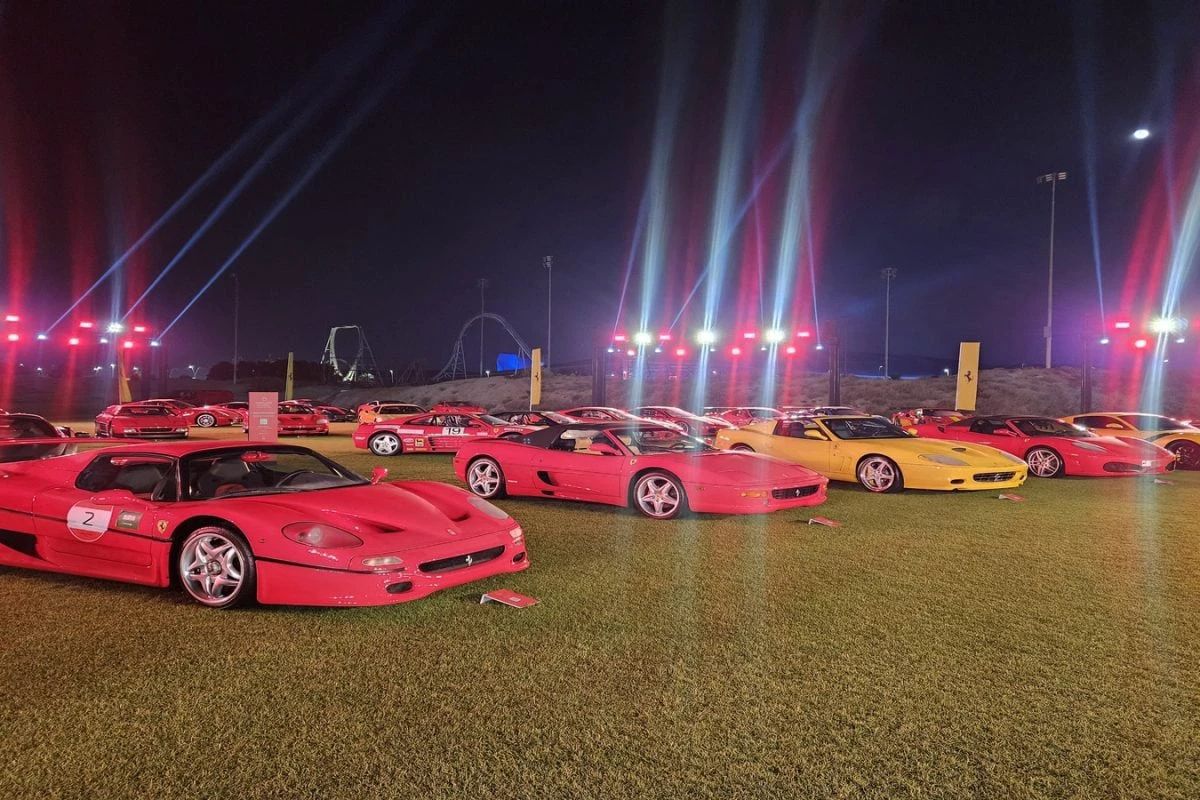
Last weekend, my husband and I were at the Abu Dhabi Grand Prix. It was a weekend charged with anticipation, because it wasn’t just another race; it was the final showdown of the 2025 season with three drivers contending for the championship.
The Yas Marina Circuit was buzzing with possibility, and it felt historic even before the race began.
I grew up watching Formula One with my parents and brother-it was our Sunday ritual as a family during race season. We would be glued to the screen, completely immersed in the adrenaline: the speed, the overtakes, the rivalry between Michael Schumacher and Mika Häkkinen. Now, as an adult, it’s become something I love sharing with my husband too. For us, it’s a mix of childhood nostalgia and new memories-though he’s definitely more invested, loud, and dramatic during tight races, especially when it comes to his favourite, Charles Leclerc.
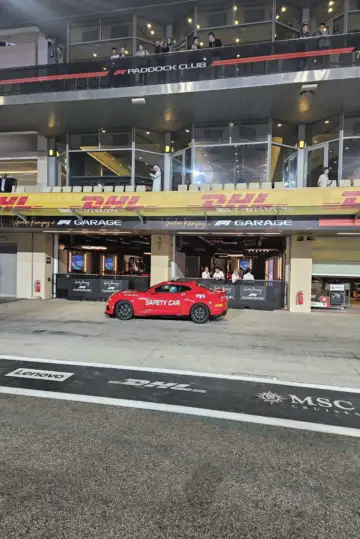 At the Abu Dhabi Grand Prix. Image/Juveca Panda ChhedaWhile sustainability wasn’t a thought in my mind in the late 1990s and early 2000s, as with many things I enjoy now, a part of me always thinks about the environmental impact almost instinctively. Sitting there full of excitement over the pit lane as the race started, caught up in the nervousness as Oscar Piastri was overtaking Lando Norris in Lap 1, I felt a familiar inner conflict between joy and responsibility. But I reminded myself that guilt doesn’t change a system-awareness does.
Formula One’s glamour comes with a significant carbon footprint. According to F1’s own sustainability data, the sport emitted 168,720 tonnes of CO₂ in 2024, reduced from 228,793 tonnes in the revised 2018 baseline. Before sustainability measures began, the 2019 footprint was even higher, at about 256,000 tonnes of CO₂. What surprises many people is that the race cars, which are the very thing millions of us watch, contribute less than 1% of total emissions. Most of the footprint comes from logistics & freight (as teams ship equipment globally), travel and personnel movement across continents week after week, event operations, hospitality, broadcasting, and venue energy use.
When you’re on the circuit, surrounded by tens of thousands of people, these numbers begin to feel tangible. The floodlights. The travel. The sheer scale. It taught me something important: we can enjoy the things we love while still wanting them to evolve. We can hold joy in one hand and responsibility in the other. They are not mutually exclusive.
Formula One is at least attempting to move in the right direction. The sport has committed to becoming net zero by 2030, with efforts underway to reduce freight emissions, improve logistics, use renewable energy at events, and introduce 100% sustainable fuels for race cars. As fans, we also have a role-not in changing the sport overnight but in choosing how we engage with it.
It’s a given that attending races, or watching any international sport in person, for that matter, comes with a travel footprint, but at this point, there’s only so much we can do about it, and most of it requires offsets. However, there is another fairly large problem that we can address, and that’s the single-use waste generated because of F&B and merchandise-while the organisers had recycling systems such as special collection points for plastic waste, the issue came from our own habits as fans. Take, for example, the Metallica concert that was part of the race weekend: instead of reusing cups to get drinks, people would keep getting drinks in fresh plastic cups. It’s a small choice, but one that adds up quickly. Moments like this make me realise that even when we can’t control the system, we can still be mindful about our own actions.
The Abu Dhabi Grand Prix felt like closing a loop-a childhood ritual becoming a shared tradition in my adult life. It reminded me that joy doesn’t have to be perfect to be meaningful. You can cheer for your favourite driver and still care about the planet. You can sit in a stadium full of energy and still acknowledge the footprint that comes with it.
The real responsibility lies not in avoiding the things you love, but in being honest about their impact and advocating for better-because the world won’t stop racing, but the way we race can, and should, change.