Arvind Kejriwal Backs Players’ FIFA Appeal, Slams Football Governance Failur


Indian football is facing one of the gravest crises in its history. January 2026 has arrived, yet the 2025-26 Indian Super League (ISL) season has still not begun.
The league has remained suspended indefinitely since July 2025. What appears on the surface as a delay in a tournament has, in reality, frozen the careers of thousands of players, coaches and support staff, while leaving millions of fans disillusioned.
The situation has deteriorated to such an extent that India’s most recognisable football figures were forced to take an extraordinary step. On January 2, 2026, national team captain Sunil Chhetri, senior goalkeeper Gurpreet Singh Sandhu, defender Sandesh Jhingan and foreign ISL players including Hugo Boumous released a joint video appealing directly to FIFA for intervention. That players felt compelled to bypass domestic authorities and approach world football’s governing body speaks volumes about the depth of administrative failure within Indian football.
The consequences are severe and widespread. Players’ careers are on hold, young talents are losing critical development years, and several clubs are struggling to survive financially. Foreign players are exiting India for more stable leagues, while Indian footballers and support staff remain stuck without competitive football, income security or clarity about the future. The crisis extends beyond the ISL, affecting the I-League and lower divisions as well.
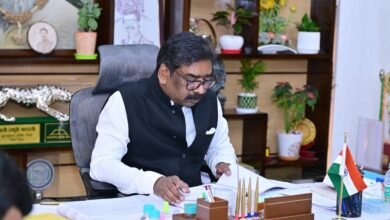
Political voices have begun to weigh in. Aam Aadmi Party convenor Arvind Kejriwal has publicly warned that Indian football stands at a decisive crossroads. He argued that without immediate, honest and transparent decisions, the sport risks long-term damage. Kejriwal pointed out that when players are forced to seek help from FIFA and the government simply to protect their livelihoods, it reflects years of mismanagement, neglect and internal power struggles. He stressed that football needs governance, accountability and respect for players-not political gamesmanship.
His comments echo the frustration of fans across the country. Stadiums are empty, aspiring footballers are demoralised, and a sport that commands deep emotional loyalty in many parts of India appears to be collapsing under administrative paralysis. The central question now is how long the national government can afford to remain silent. Can the future of Indian football be sacrificed to institutional infighting and political indifference?
Indian footballers are not asking for favours. They are asking for the right to play, earn a living and plan their careers with dignity. Indian football-and its passionate supporters-deserve better. There is still time to act, but continued delay risks permanently damaging the dreams of an entire generation.