Hezbollah Chief Naim Qassem Sets Ceasefire Conditions, Warns of Retaliation for Violations

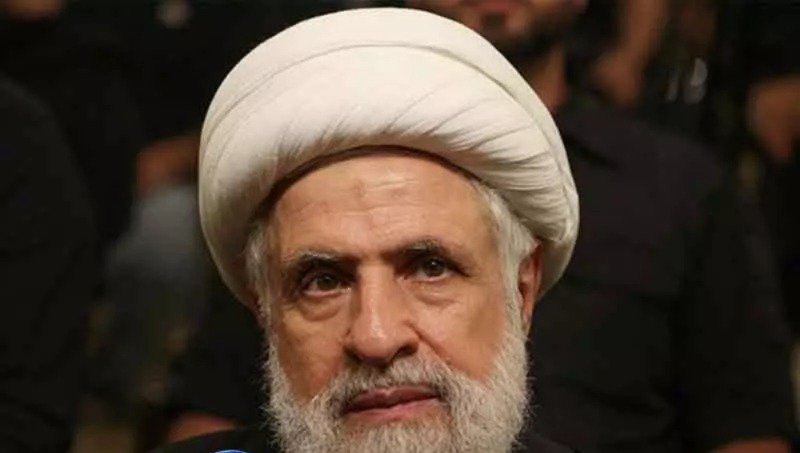
Beirut: Hezbollah chief Naim Qassem has outlined key conditions for maintaining peace, stressing that the ongoing 10-day ceasefire with Israel cannot hold unless both sides fully respect its terms. According to Al Jazeera, Qassem said that all forms of “aggression” against Lebanon—whether aerial, ground, or naval—must completely stop.
He also demanded a full Israeli withdrawal from Lebanese territory. Qassem added that subsequent steps should include the release of prisoners and the return of residents to border areas. In the final phase, he said reconstruction efforts would take place on a large scale with support from Arab nations.
Reiterating his stance, Qassem said a ceasefire cannot be sustained unless both parties adhere to it. “A ceasefire means a complete end to all hostilities,” he stated, warning that Hezbollah fighters remain ready to respond to any Israeli action inside Lebanon. “Since we do not trust this enemy, resistance fighters will stay on alert with their fingers on the trigger and will respond proportionately to any violations,” he said, emphasizing that the ceasefire must be mutual.
Two days after the truce took effect in Lebanon, Qassem stated that the group is ready to move toward cooperation based on restoring national sovereignty and ending conflict.
Meanwhile, Iran’s Islamic Revolutionary Guard Corps (IRGC) announced that the Strait of Hormuz would be closed from Sunday evening amid rising tensions linked to the ceasefire involving the United States and Israel. In a statement, the IRGC claimed the move followed violations of ceasefire terms, alleging that the U.S. had not lifted a naval blockade on Iranian ships and ports.
The statement warned vessels not to approach the strait, saying any ship moving beyond its anchorage in the Persian Gulf or the Gulf of Oman and nearing the Strait of Hormuz would be considered cooperating with the enemy and could be targeted.
Earlier, Iran indicated it would prioritize ships willing to comply with new restrictions and pay fees for passage, citing limited capacity under revised protocols. A senior official said preference would be given to vessels that quickly respond to the new Strait of Hormuz guidelines and cover the costs of security and safety services.