Trump Says Cuba Poses Serious Threat to the US, Orders New Tariff System
National emergency declared; additional import duties proposed on countries supplying oil to Cuba

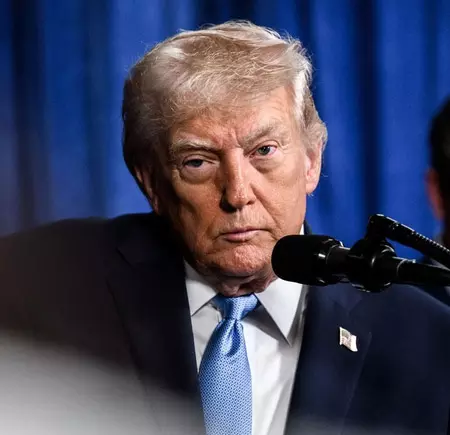
Washington: US President Donald Trump has declared that Cuba poses an unusual and serious threat to the United States, announcing a national emergency over concerns linked to the Cuban government. Citing these threats, Trump has ordered the implementation of a new tariff system that would allow the US to impose additional duties on countries supplying oil to Cuba.
In an executive order signed at the White House, Trump said that the policies and actions of the Cuban government pose a threat to US national security and foreign policy, making it necessary to take emergency measures under existing laws.
Trump stated that, as President, it is his duty to safeguard the country’s security and foreign policy. He described the situation related to Cuba as an unusual and extraordinary threat, largely originating outside the United States.
The executive order आरोपed that Cuba supports several countries and organizations hostile to the US, naming Russia, China, Iran, as well as groups such as Hamas and Hezbollah. Trump claimed that Cuba is “openly harboring dangerous enemies of the United States and inviting them to establish advanced military and intelligence capabilities on its territory, directly threatening US national security.”
Trump further alleged that Russia operates its largest overseas intelligence facility in Cuba, and that military and defense cooperation between Cuba and China has been steadily increasing.
The order also accused Cuba of providing shelter to international terrorist organizations such as Hamas and Hezbollah, enabling them to expand their financial, cultural, and security networks in the region—actions that could undermine stability in the United States and the wider Western Hemisphere.
Additionally, Trump claimed that Cuba has long assisted other adversarial nations with military and security support aimed at weakening US and international sanctions. He accused Cuba’s communist government of promoting terrorism, fueling illegal migration, destabilizing the region through violence, and repressing its own citizens.
The executive order stated, “The communist government persecutes and tortures political opponents; denies the Cuban people freedom of speech and press; corruptly profits from their suffering; and commits other serious human rights abuses.” It also cited retaliation against families of political prisoners, harassment of religious groups, restrictions on civil society, suppression of independent media, and limits on freedom of expression, including online.
Trump said, “The United States will not tolerate the abuses of the communist Cuban government.” He reaffirmed his commitment to protecting US foreign policy, national security, and national interests, while pledging continued support for “the aspirations of the Cuban people for a free and democratic society.”
To address the declared national emergency, Trump ordered the creation of a new tariff framework. Under this system, the US may impose additional import duties on goods from any foreign country that directly or indirectly sells or supplies oil to Cuba.
According to the order, the US Commerce Secretary, in consultation with the Secretary of State, will determine which countries are supplying oil to Cuba, even through third parties or intermediaries. The Secretary of State will then consult with officials from the Treasury, Commerce, Homeland Security, and the US Trade Representative to decide whether additional duties should be imposed and to what extent.