New Delhi: US Analysis Lavishes Praise on India’s Pinaka Rocket System
From Blind Fire to Precision Strikes—India’s Indigenous Weapon Reshapes Modern Warfare Strategy

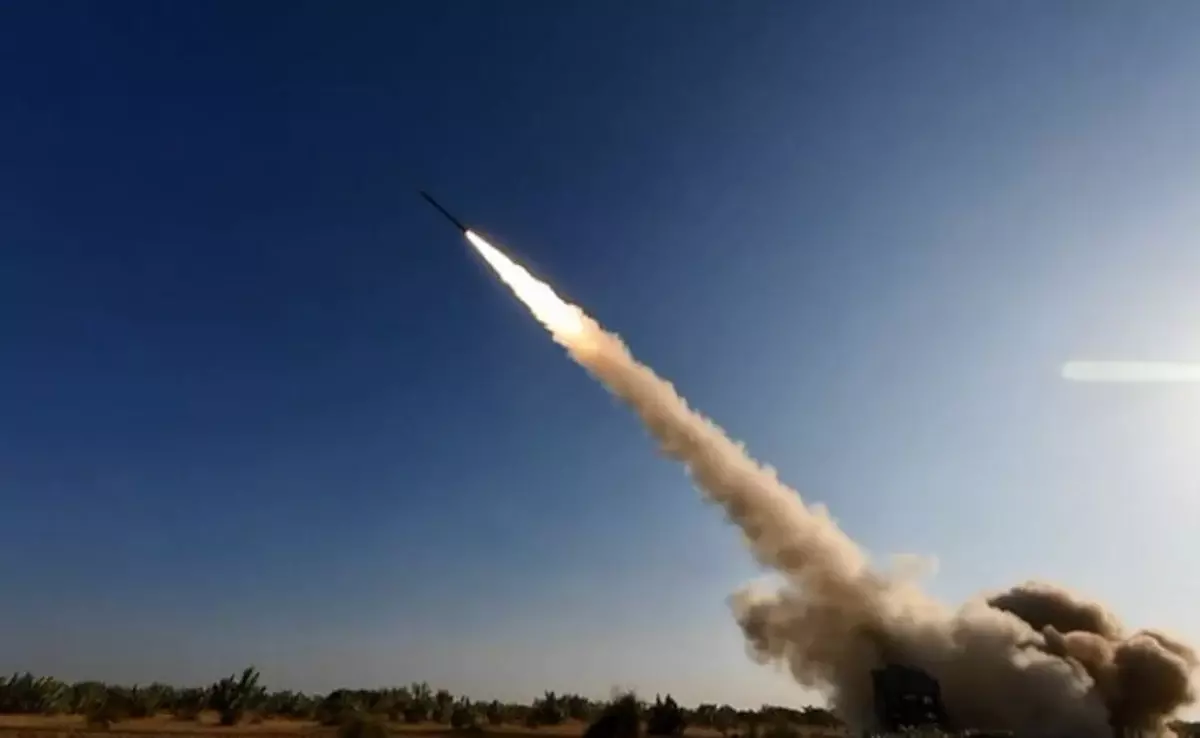
New Delhi: India’s newly developed Pinaka Long Range Guided Rocket (LRGR-120) has brought about a major transformation in the Indian Army’s combat doctrine, drawing strong praise from a US-based defense analysis. According to a report published in an American magazine, the Indian Army is rapidly moving away from indiscriminate firepower toward high-precision, deep-strike capabilities.
The report states that the new Pinaka system effectively converts traditional artillery into a long-range, precision deterrence weapon. Instead of limited impact near border areas, the system enables the army to strike deep inside enemy territory, significantly enhancing operational reach and effectiveness.
According to the analysis, DRDO successfully tested the LRGR-120 last year, during which the rocket accurately hit targets located 120 kilometers away. The weapon system is completely indigenous and can be launched from existing Pinaka launchers, making it cost-effective while maximizing current infrastructure.
The LRGR-120 uses an advanced Inertial Navigation System (INS) combined with mid-course updates and terminal-phase guidance, ensuring exceptional accuracy. From a single Pinaka Multi-Barrel Rocket Launcher (MBRL), the army can fire up to eight guided rockets simultaneously, making it ideal for precision strikes on enemy command centers, artillery positions, and logistics hubs.
France Shows Interest
The report also highlights that France has shown interest in the Pinaka system, signaling growing international demand for this Indian-made weapon in the global defense market. While the US-made HIMARS system has a longer operational range, Pinaka significantly strengthens India’s long-range strike capability and reinforces the country’s push toward self-reliant defense production.
Plans to Extend Range Further
The analysis notes that Pinaka is not a static platform. Plans are underway to further enhance its range, with discussions ongoing about future variants capable of striking targets 200 to 300 kilometers away. Such advancements are expected to considerably boost India’s military preparedness amid strategic challenges posed by China and Pakistan.
This growing international recognition underlines how India’s indigenous defense technology is no longer just meeting domestic needs—but is also reshaping battlefield equations and attracting global attention.